How to Choose the Right Inverter & Battery Combo for Your Home
October 22 2026
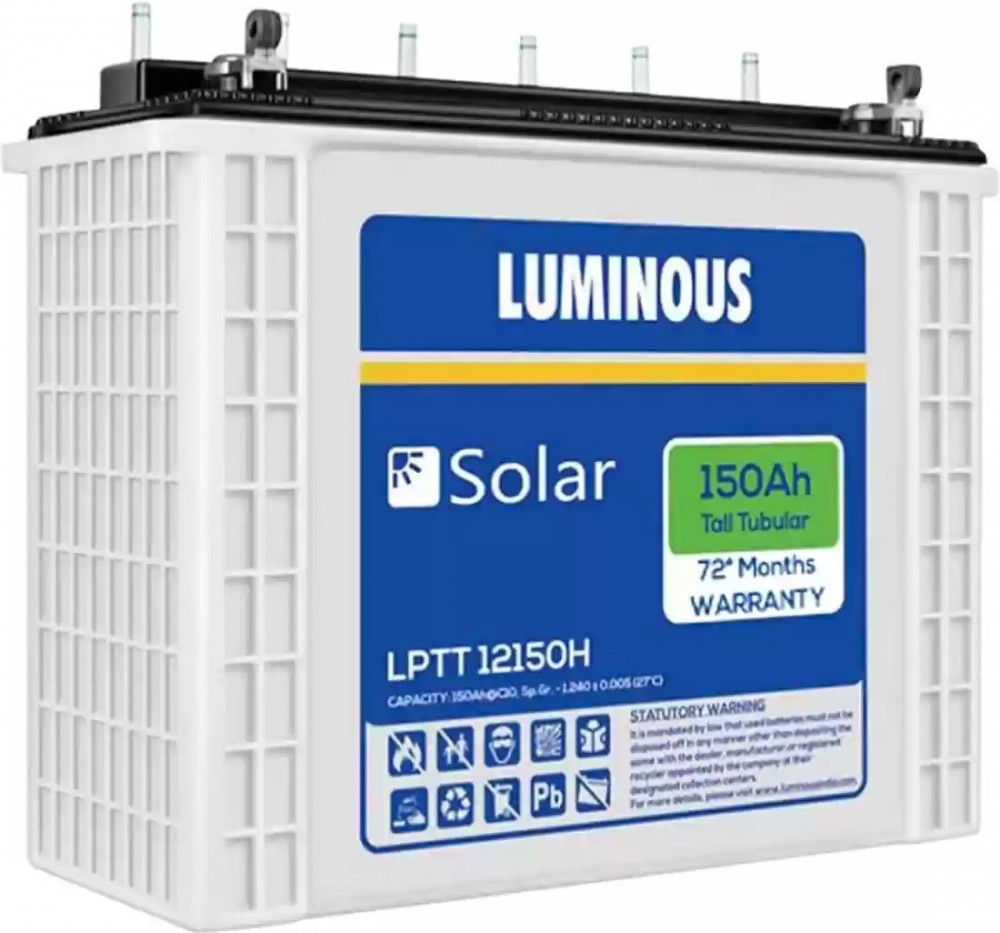
Power cuts can affect everything from lights and fans to Wi-Fi routers, televisions, computers, and other essential appliances. A home inverter and battery combo provides backup power when the regular electricity supply is interrupted. The challenge is choosing a combination that can handle your actual load without paying for more capacity than you need. An inverter battery combo should be selected based on your appliance load, required backup time, battery capacity, inverter rating, and available installation space.
The battery type and expected maintenance also matter. Looking only at the purchase price may result in a system that does not provide the required backup or is not properly matched to the home's power requirements.
Battery Boss offers inverter and battery combinations from brands including Amaron, Amaron Quanta, Luminous, and Microtek, giving homeowners different options to compare based on their backup requirements.
Start by Calculating Your Home's Power Load
The first step is to identify the appliances you want to run during a power cut. Make a list of the appliances and note their approximate wattage.
For example, a basic backup requirement might include:
- 3 fans at 70 watts each
- 3 LED lights at 10 watts each
- 1 television at 120 watts
- 1 Wi-Fi router at 15 watts
The total running load in this example would be around 465 watts.
This calculation gives you an idea of the power your inverter needs to supply. It is better to calculate the appliances you actually intend to use during an outage instead of adding every electrical appliance in the house. A refrigerator, pump, air conditioner, or other motor-driven appliance may also have a higher starting requirement than its normal running wattage, so its startup load should be considered when selecting the inverter.
Choose the Right Inverter Capacity
Inverter capacity is commonly expressed in VA, or volt-ampere. The required VA rating depends on your total load and the inverter's power factor.
A simple way to estimate the required capacity is:
Required inverter VA = Total appliance load in watts ÷ Power factor
For example, if the expected load is 600 watts and the inverter has a power factor of 0.8, the calculation would be:
600 ÷ 0.8 = 750 VA
In practice, the selected inverter should have an appropriate capacity above the calculated requirement rather than operating continuously at its maximum limit. The exact choice should also follow the manufacturer's specifications and the requirements of the appliances you plan to connect.
Calculate the Battery Capacity You Need
The inverter determines how much power can be supplied to your appliances, while the battery determines how long that backup can last. Battery capacity is generally measured in ampere-hours, or Ah.
A basic calculation for estimating battery capacity is:
Battery capacity in Ah = Load in watts × Backup time in hours ÷ Battery voltage
Suppose the backup load is 500 watts and you want approximately 3 hours of backup from a 12V battery.
500 × 3 ÷ 12 = approximately 125 Ah
This is an estimate rather than the final battery specification. Actual backup depends on factors such as inverter efficiency, battery condition, usable battery capacity, discharge level, charging conditions, and the type of appliances being powered.
A higher Ah rating generally provides greater energy storage, but it should still be matched with the inverter and the expected load.
Consider How Long You Need Backup
Backup duration is an important part of choosing an inverter and battery combination. A home that usually experiences short power interruptions may have different requirements from a location where outages can last several hours.
Think about which appliances need to remain operational throughout the outage. Running a few lights and fans requires less stored energy than running several appliances at the same time.
It is also useful to avoid sizing the battery solely around the longest possible outage. Consider the typical duration, the appliances that genuinely need backup, and the level of reserve you want. This makes the inverter battery combo more practical and can prevent unnecessary spending on excess capacity.
Select the Right Battery Type
Battery technology also affects maintenance, performance, price, and installation requirements.
Tubular Batteries
Tubular batteries are widely used for home inverter applications and are available in different capacities. They can be suitable for homes that experience regular power cuts and require conventional backup systems.
These batteries generally require periodic maintenance, including checking electrolyte levels and adding distilled water when required. Always follow the maintenance schedule provided by the manufacturer.
Gel Batteries
Gel batteries use a gel-based electrolyte and are designed as sealed battery systems. They generally do not require regular water topping, making them suitable for users who prefer lower routine maintenance.
Battery Boss also offers a dedicated range of gel batteries, including Luminous AmpBox models in different capacities. The listed AmpBox variants carry a 60-month warranty, comprising 36 months of full replacement and 24 months of pro rata warranty.
SMF Batteries
Sealed maintenance-free batteries are another option for applications where reduced routine maintenance is preferred. Their suitability depends on the inverter system, required backup, installation conditions, and manufacturer's specifications.
The battery type should therefore be selected according to your usage requirements rather than simply choosing the technology with the lowest purchase price.
Check Inverter and Battery Compatibility
An inverter and battery work as a system, so compatibility should be checked before purchase. The battery voltage, battery capacity, inverter rating, charging requirements, and recommended configuration should match.
For example, buying a high-capacity battery does not automatically provide longer or better backup if the inverter is not designed to work with that battery configuration.
Check the manufacturer's specifications for:
- Compatible battery voltage
- Recommended battery capacity
- Maximum load
- Charging requirements
- Battery type compatibility
- Installation conditions
- Warranty terms
If you are unsure about the appropriate combination, professional guidance can prevent mismatched components and unnecessary expense.
Consider Your Home's Space and Installation Conditions
Physical space is another practical consideration. Some batteries are larger and heavier than others, and certain setups may require a battery trolley or a dedicated installation area.
The battery should be installed in a suitable location according to the manufacturer's safety and ventilation requirements. Keep the area accessible for inspection and maintenance where required.
A compact installation area may influence the type and capacity of the battery you select, while a larger home with greater backup requirements may need more battery capacity or a different configuration.
What Affects Inverter Battery Price?
The inverter battery price depends on several factors, so comparing only the price tag can be misleading.
The main factors include:
- Inverter capacity and technology
- Battery capacity in Ah
- Battery type
- Brand and model
- Warranty period
- Expected backup requirement
- Number of batteries required
- Features and protection systems
- Installation requirements
A higher-capacity battery generally costs more than a lower-capacity model. Similarly, different battery technologies can have different upfront costs and maintenance requirements.
The better approach is to compare the price against the capacity, warranty, expected usage, and overall suitability of the complete system. A cheaper combination may not be economical if it cannot provide the required backup or needs frequent replacement.
Compare the Complete Inverter Battery Combo
Once you know your load, backup requirement, battery capacity, and inverter rating, compare complete combinations rather than selecting the inverter and battery independently.
Battery Boss's current Inverter Battery Combo category includes options from Amaron, Amaron Quanta SMF, Luminous, and Microtek, giving homeowners different configurations to consider based on their backup requirements.
Review the specifications of each combination to confirm that its inverter rating and battery capacity suit your expected load and backup needs. Also check the battery technology, warranty, and intended application.
Why Choose Battery Boss for an Inverter Battery Combo?
Battery Boss provides inverter batteries and inverter systems from several established brands, along with dedicated Inverter+Battery Combo options.
The wider range also includes brands such as Exide, Amaron, Luminous, PowerZONE, SF Sonic, Okaya, and DABZON, allowing customers to compare different battery options according to their requirements.
Power your home with the right inverter battery combo
Choosing the right inverter and battery combination starts with understanding your home's actual power requirements. Calculate the appliances you need during a power cut, estimate the required backup duration, and then compare inverter capacity, battery Ah rating, battery type, compatibility, warranty, and installation requirements.
The inverter battery combo should provide enough capacity for your regular backup needs without adding unnecessary cost. Consider the battery technology, warranty, maintenance requirements, and expected usage rather than focusing only on the initial cost.
Battery Boss offers inverter and battery combinations from brands such as Amaron, Amaron Quanta, Luminous, and Microtek, along with other battery options for different home backup requirements.
FAQs
How do I choose the right inverter battery combo for my home?
Start by calculating the total load of the appliances you want to operate during a power cut. Then determine your required backup duration and select an inverter and battery combination that matches the load, battery capacity, voltage, and manufacturer's specifications.
How much battery capacity is enough for a home inverter?
The required capacity depends on the total appliance load and the desired backup duration. A higher load or longer backup requirement generally needs greater battery capacity. Inverter efficiency and usable battery capacity should also be considered before making the final selection.
What affects inverter battery price?
Inverter battery price varies according to inverter capacity, battery capacity, battery type, brand, warranty, features, and configuration. Installation requirements and the number of batteries needed can also affect the total cost.
Is a higher Ah battery always better?
Not necessarily. A higher Ah rating provides greater energy storage, but the battery must be compatible with the inverter and appropriate for the home's actual load. Oversizing the battery can also increase the initial cost without providing a practical benefit if the additional capacity is not required.
Which battery type is suitable for home backup?
Tubular, gel, and sealed maintenance-free batteries can all be used for different home backup requirements. The suitable option depends on factors such as backup needs, maintenance preference, budget, installation conditions, and inverter compatibility.
Can I buy an inverter and battery separately?
Yes, but the two components must be compatible. The inverter's voltage, charging system, capacity, and recommended battery configuration should match the battery specifications. Buying a compatible combo can make the selection process simpler.