Gel Battery vs Tubular Battery: Which Is Better for Home Power Backup?
October 19 2026
Power cuts can disrupt everything from lighting and fans to Wi-Fi routers, computers, and other essential appliances. A reliable battery is therefore an important part of a home power backup system. Among the available options, Gel Battery vs Tubular Battery is a common comparison for homeowners looking for dependable backup.
Both battery types are used for home backup, but their construction, maintenance needs, cost, and operating requirements differ. These differences matter when matching a battery to your inverter, power load, and expected backup time.
At Battery Boss, gel batteries are available in different capacities for home and other power backup applications. Capacity, maintenance needs, backup duration, and inverter compatibility are useful factors to compare before making a choice.
What Is a Gel Battery?
A Gel Battery is a sealed lead-acid battery that uses a gel-based electrolyte instead of free-flowing liquid acid. The electrolyte is held in a gel form, which reduces the risk of leakage during normal use and allows the battery to operate as a sealed system.
Gel batteries are generally sealed and do not require regular electrolyte topping. This makes them convenient for homes where minimal routine maintenance is preferred. Their sealed construction also makes them suitable for locations where preventing electrolyte spills is a priority.
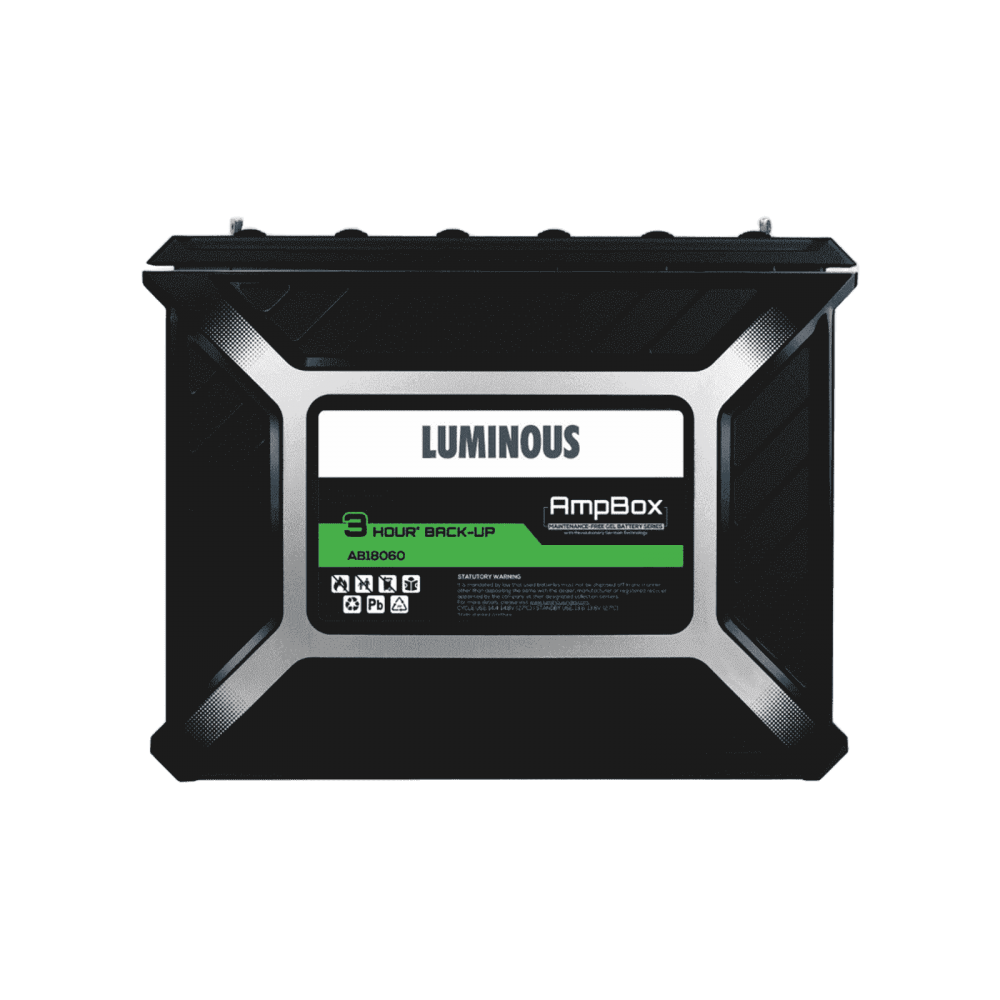
Battery Boss currently offers Luminous AmpBox Gel Battery models in different capacities. The listed AmpBox variants come with a 60-month warranty, including 36 months of full replacement and 24 months of pro rata warranty. The range is designed for compatibility with different inverter brands and is positioned for homes, offices, and commercial spaces.
What Is a Tubular Battery?
A tubular battery uses tubular positive plates designed to handle repeated charge and discharge cycles in inverter and backup applications. It is widely used with home inverters because it can handle repeated charging and discharging during power cuts.
Tubular Battery models are popular for homes that experience frequent or extended power interruptions. They are also available in a wide range of capacities, allowing homeowners to select a battery based on their expected load and backup requirements.
Tubular batteries generally require some maintenance, including checking electrolyte levels and adding distilled water when required. Their larger size may also require more installation space than some sealed battery options.
Gel Battery vs Tubular Battery: Key Differences
The choice between these two technologies becomes clearer when their practical differences are considered.
1. Maintenance
Maintenance is a major difference between the two. A Gel Battery is sealed and does not normally require regular water topping. This makes it a convenient option for users who want a low-maintenance backup system.
Tubular batteries require periodic attention to electrolyte levels. The exact maintenance schedule depends on the battery model, usage, charging conditions, and manufacturer's instructions.
2. Leakage and Safety
Gel batteries use an immobilised electrolyte, which reduces the possibility of acid leakage during normal use. This makes them useful when a cleaner, sealed battery setup is preferred.
Tubular batteries contain liquid electrolyte and need to be installed and handled correctly. Proper ventilation, positioning, and maintenance are important for safe operation.
3. Lifespan
Battery lifespan depends on several factors rather than battery type alone. Depth of discharge, charging practices, temperature, usage frequency, and maintenance can all affect how long a battery performs reliably.
Both technologies can provide reliable service when correctly sized, charged, installed, and used within the manufacturer's recommended conditions. It is therefore better to consider the manufacturer's specifications and warranty instead of choosing only on the basis of expected lifespan.
4. Cost
Tubular batteries are often considered a cost-effective choice for conventional home backup systems. Gel batteries can have a higher upfront price because of their sealed construction and gel electrolyte technology.
Upfront price is only part of the cost. Maintenance requirements, expected usage, warranty, and battery life can also affect the overall value of the backup system.
5. Backup Requirements
The right battery depends on the appliances you want to operate during a power cut. A home running a few fans, lights, and a Wi-Fi router will have different requirements from a household that also wants to operate computers, televisions, refrigerators, or other appliances.
Battery capacity should be based on the expected load and desired backup duration. For example, a 400-watt load running for 3 hours requires about 1,200 watt-hours of energy, although actual battery sizing will be higher after accounting for inverter efficiency, usable battery capacity, discharge limits, and other system losses.
Final battery capacity should be selected according to the inverter specification, battery voltage, efficiency, and the manufacturer's recommended configuration.
Which Is Better for Home Power Backup?
Neither battery type is better for every home. The right option depends on the backup load, required runtime, maintenance preference, budget, and inverter setup.
A Gel Battery can be a suitable choice for homeowners who prioritise low maintenance, a sealed design, spill resistance, and convenient everyday operation. Battery Boss's current gel battery range includes Luminous AmpBox models with a maintenance-free design and different capacity options.
A Tubular Battery may suit homeowners looking for a conventional inverter setup, a lower initial investment, and a battery that requires routine maintenance. The decision should also consider the inverter, expected load, backup duration, available installation space, charging conditions, and manufacturer's specifications.
How to Choose the Right Battery for Your Home
Start by calculating which appliances need backup during a power cut. Make a list of their approximate wattage and decide how long you want them to operate. This gives you a better idea of the required battery capacity.
Next, check the inverter specifications. The battery voltage and capacity should be compatible with the inverter. Installing a battery without checking compatibility can affect performance and may create avoidable problems.
Also consider the level of routine maintenance involved. Check the manufacturer's recommendations for electrolyte care, terminal inspection, and other maintenance requirements before selecting a battery.
Installation conditions matter too. Keep the battery in a suitable location with adequate ventilation and follow the manufacturer's installation and safety instructions.
Why Choose Battery Boss?
Battery Boss offers a range of inverter batteries from established brands, including Luminous, Exide, Amaron, and other battery manufacturers. The available options cover different capacities and backup requirements, making it easier to compare batteries based on your home’s power needs.
Gel Battery or Tubular Battery: What Should You Choose?
The right choice in the Gel Battery vs Tubular Battery comparison depends on your home's actual backup needs rather than simply selecting the battery with the lowest price or the longest claimed lifespan.
Gel batteries stand out for their sealed construction and low-maintenance operation, while tubular batteries remain a widely used option for conventional home inverter systems. Compare capacity, inverter compatibility, backup duration, maintenance requirements, installation conditions, warranty, and expected ownership cost before making the final selection.
Looking for a battery for your home? Connect with Battery Boss today.
FAQs
Is a Gel Battery better than a Tubular Battery for home use?
Gel batteries are useful when low maintenance and a sealed design are priorities, while tubular batteries can suit conventional home backup systems where cost and repeated backup use are important.
Does a Gel Battery require water topping?
Gel batteries are sealed and generally do not require regular water topping. Always follow the maintenance instructions provided for the specific battery model.
Which battery is better for frequent power cuts?
Both Gel and Tubular Batteries can work for frequent power cuts when correctly sized and paired with a compatible inverter. The better option depends on the required backup duration, load, charging conditions, maintenance preference, and manufacturer's specifications.
How do I select the right battery capacity for my home?
Calculate the combined load of the appliances you want to run and determine the desired backup duration. An inverter or battery professional can then help you select a suitable capacity.
Are Gel Batteries maintenance-free?
Many sealed Gel Battery models are designed for maintenance-free operation. However, the battery terminals, installation conditions, and inverter should still be checked periodically according to the manufacturer's recommendations.